
Fairness isn’t just a cliché for virtual slots in the UK; it’s a mandatory rule https://holdandwins.com/diamondspower/. Diamonds Power Slot fulfills this requirement using a matchmaking algorithm. This mechanism does not determine who wins or loses. Rather, it meticulously controls the way players join the game to ensure a level playing field. Let’s examine how this algorithm works to uphold, not undermine the core doctrines of Random Number Generation and Return to Player percentages. For any player within UKGC guidelines, grasping this system demonstrates how slot games can be both exhilarating and strictly fair.
What a Matchmaking Algorithm Actually Does in Slots
A number of players picture a matchmaking algorithm pits them against others, as in a poker game. That’s not the case. In Diamonds Power Slot, its role is more organizational. It manages the orderly entry of players into separate game sessions or bonus rounds. Under UK regulation, this system ensures every player’s session starts with a new verified cycle from the Random Number Generator. This separation prevents any mixing of result sequences between players. Each spin is completely independent. View the algorithm as a diligent usher, matching a player to a clean certified seat in the game theatre. Its focus is on preserving integrity, not changing the mathematical odds baked into the game.
Core Principles: RNG, RTP, and UK Rules
Fairness in Diamonds Power Slot is based on three solid foundations: the Random Number Generator, the Return to Player percentage, and the UK’s tough oversight system. The RNG is the engine of the slot. It churns out thousands of random number sequences each second to control where reels land. Independent auditors test and certify this system regularly. The RTP is a long-term statistical figure, derived from millions of theoretical spins. The UK Gambling Commission forces all operators to employ certified RNGs and to publish their RTP data publicly. The matching system works within this strict framework. It acts as a quality control check, guaranteeing that each game session correctly accesses the certified RNG source.
- Approved Random Number Generator (RNG): Program examined by third-party experts to guarantee every spin result is random and cannot be predicted.
- Disclosed Return to Player (RTP): A statistical percentage, for instance 96%, which operators must display. It represents the theoretical return players can anticipate over a long time.
- UKGC Regulation: A compulsory licensing system that sets technical rules, enforces fairness, and protects players.
- Third-party Audit Logs: Comprehensive logs that allow regulators and auditors to verify proper game operation.
Operational Mechanics of the Matching Process
Here is what happens when a player in the UK initiates a round of Diamonds Power Slot. The matchmaking algorithm launches a rapid, hidden procedure. It first verifies the player’s session and tests the connection is stable. Next, it queries the certified RNG server for a specific seed number. This seed is the starting point for the entire sequence of outcomes in that given session. The algorithm then assigns the player into a game instance that uses this fresh seed. This assures the player’s game is totally separate from anyone else’s. The whole operation lasts milliseconds, and the player observes none of it. During bonus features, the algorithm might also handle how symbols or prize pools are allocated, but it always follows the probabilities set by the game’s certified mathematics.
- Session Initiation: The player clicks the ‘Spin’ button. This tells the algorithm to set up a new, self-contained game session.
- Seed Generation: The algorithm reaches the certified RNG server. It demands a unique, cryptographically secure random number to use as a seed.
- Instance Allocation: The player is assigned to a game instance that has been initiated using that specific seed. This provides independent play.
- Feature Management: If a bonus game is activated, the algorithm oversees entry and handles prize distribution based on the game’s fixed random probabilities.
- Continuous Verification: The system keeps a log of every outcome. This creates an audit trail for regulators to inspect later.
Guaranteeing Honest Play for Each UK Player
The matchmaking algorithm has a particular clear objective: to deliver the same standard of fairness to everyone. For a player in the UK, this means their game session is statistically the identical as every other player’s when it comes to core randomness. The algorithm stops technical hiccups from affecting the independence of spins. It also makes sure the advertised RTP accurately mirrors the real gameplay by controlling how the game’s mathematical model functions. This technical fairness is a legal must-have. But it also serves a deeper purpose: it builds trust. Players can experience the game, knowing the system behind the screen manages every spin and every person with total neutrality, as UKGC standards demand.
Debunking Common Myths About Slot Algorithms
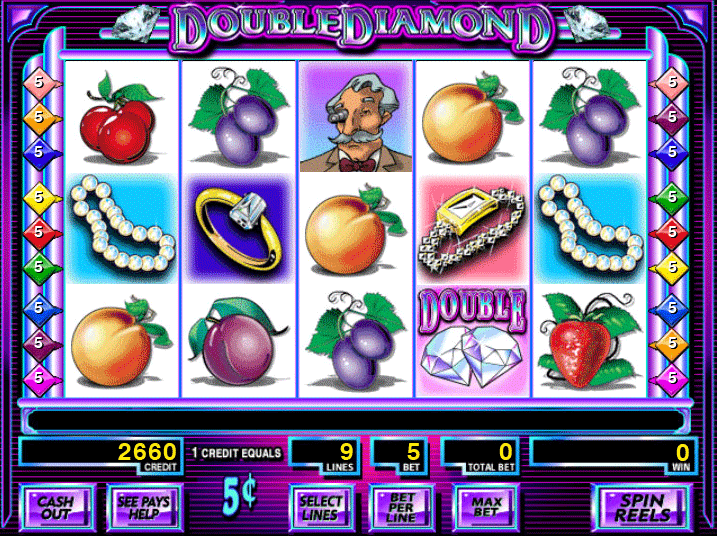
Numerous stories circulate about how slot machines work, and many are false. Let’s clarify the facts for the UK’s regulated market. A certified RNG has no memory. One spin does not affect the next. The algorithm cannot alter the basic odds depending on how much you play, how much you deposit, or what time it is. The RTP is a fixed, long-term calculation built into the game’s code. The matchmaking algorithm does not create special ‘winner’ or ‘loser’ sessions. It just provides the random structure where chance operates. Getting these facts straight is a key part of playing responsibly. It shows us that slots are games of pure chance.
- Myth: Slots have ‘hot’ and ‘cold’ cycles. Reality: Every spin is its own event. RNGs do not produce predictable cycles.
- Myth: Your chances increase after a losing streak. Truth: The odds of landing a particular symbol combination are identical on every single spin.
- Myth: Algorithms adjust payouts based on player account. Truth: This practice is against the law in the UK. Every player interacts with the same certified RNG and RTP.
- Myth: Bonus rounds are triggered on a timer. Truth: Bonus triggers are random events, each with a fixed probability of occurring.
The Role of UKGC and Independent Testing
The UK Gambling Commission offers the enforcement power for fair play standards. Before every algorithm becomes operational, it must survive intense scrutiny from independent testing labs. These accredited agencies run exhaustive tests on the RNG’s randomness, the accuracy of the RTP, and how all game features function. They additionally inspect the session-starting algorithm to confirm it starts game sessions properly and is free from bias. The UKGC requires thorough documentation and audit trails. These logs enable future review, demonstrating that every spin was processed accurately. This layered oversight provides UK players with one of the most robust consumer safeguards globally.
The way Players Can Check Game Fairness Independently
Software checks are detailed, but UK players aren’t without options. You can take some simple, real-world steps to check the fairness of Diamonds Power Slot. Taking this approach puts you in a more advantageous position and supports the work of the regulators. We advise zeroing in on two main areas.
Verifying Licences and Certifications
Begin with the licences. Any casino offering Diamonds Power Slot to UK players must show its UKGC licence number. You need to click on this seal to verify it leads to the official UKGC register. Reliable sites also release certification reports from independent testers such as eCOGRA or iTech Labs. These documents confirm the RNG and RTP certification for the specific game you’re playing. Look for this information in the game’s ‘Help’ menu or on the game provider’s own website. This kind of transparency is a strong sign of a reputable operator and a compliant game.
Comprehending Published Game Information
Every regulated slot has to supply clear data on its main metrics. You ought to find the game rules, which will state the theoretical RTP (for instance, “96.2%”). This lets you reach an informed choice. Being aware of the game’s volatility and hit frequency also helps you comprehend how wins are allocated. Responsible operators include direct links to support organisations like GamCare and BeGambleAware, showcasing their dedication to safer gambling. By studying this published information, you form your expectations to correspond to the game’s designed performance. That alignment is the genuine proof of equitable operation.